| ||
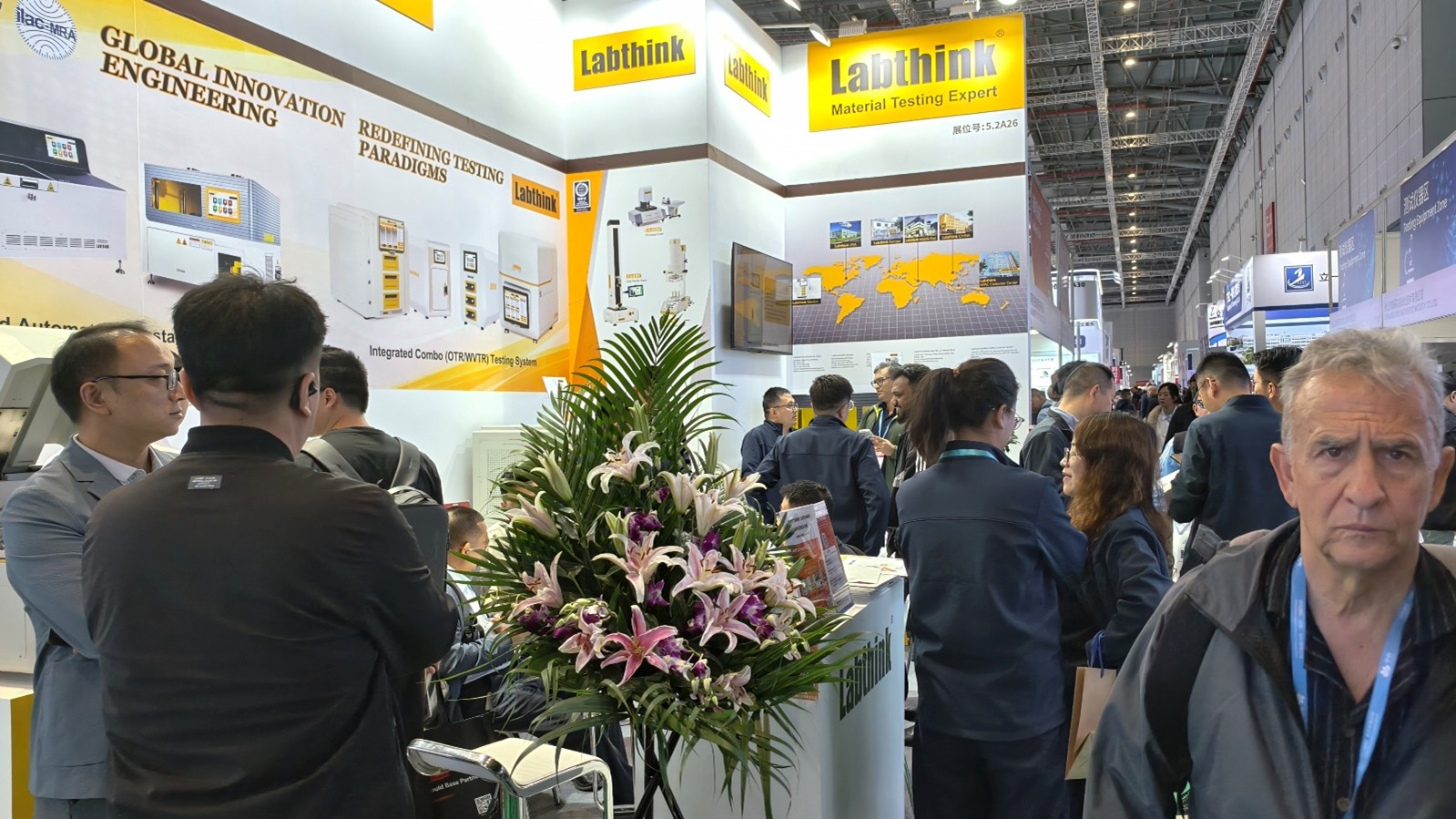
Labthink Showcased Cutting-Edge Packaging Testing Solutions at INTERPACK 2026 INTERPACK 2026, the world’s premier trade fair for packaging and processing industries, has gathered over 2,800 exhibitors from 65 countries and professional visitors across the globe, focusing on smart manufacturing, innovative packaging materials and industrial digital transformation. | ||
 | ||
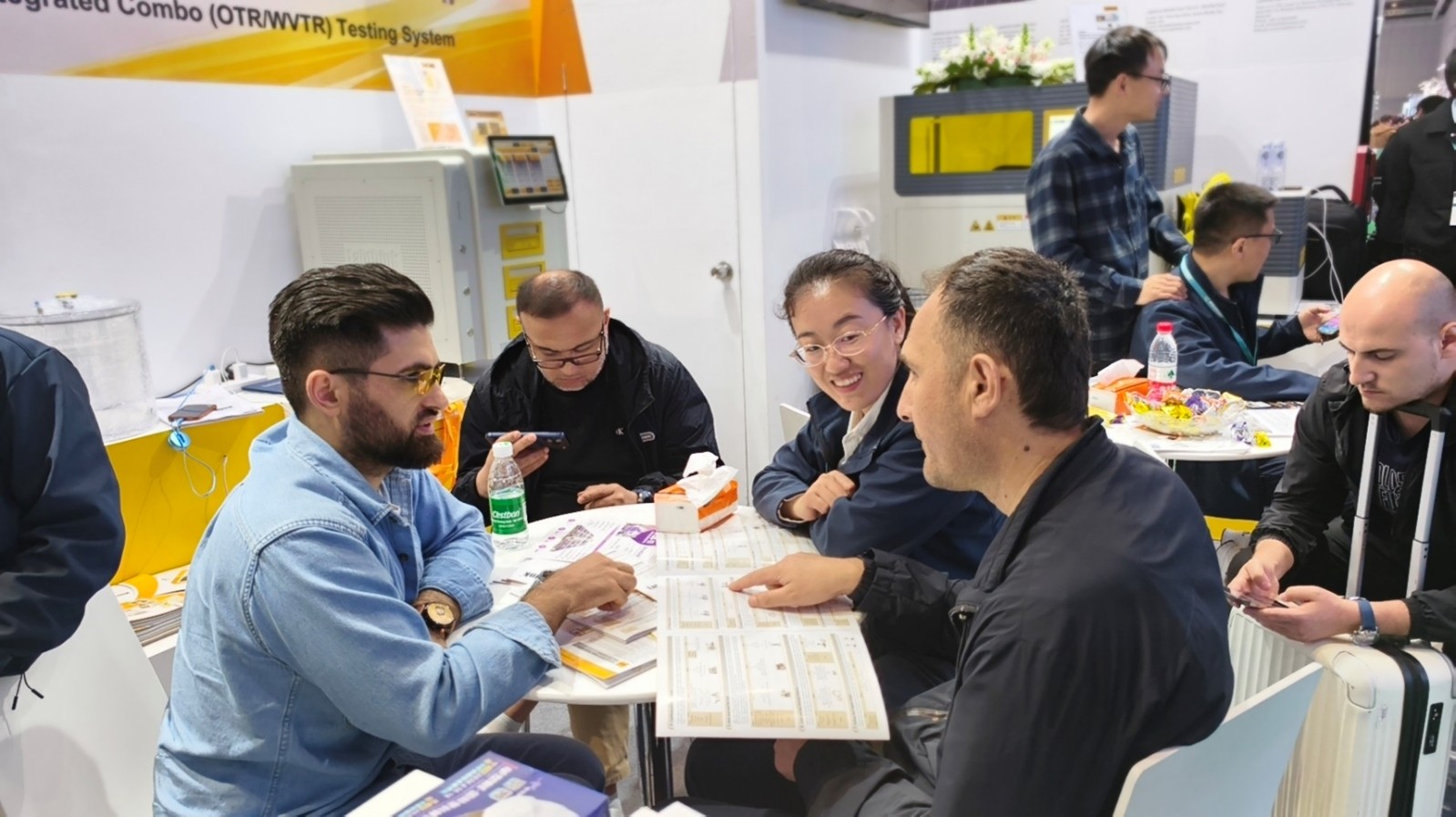
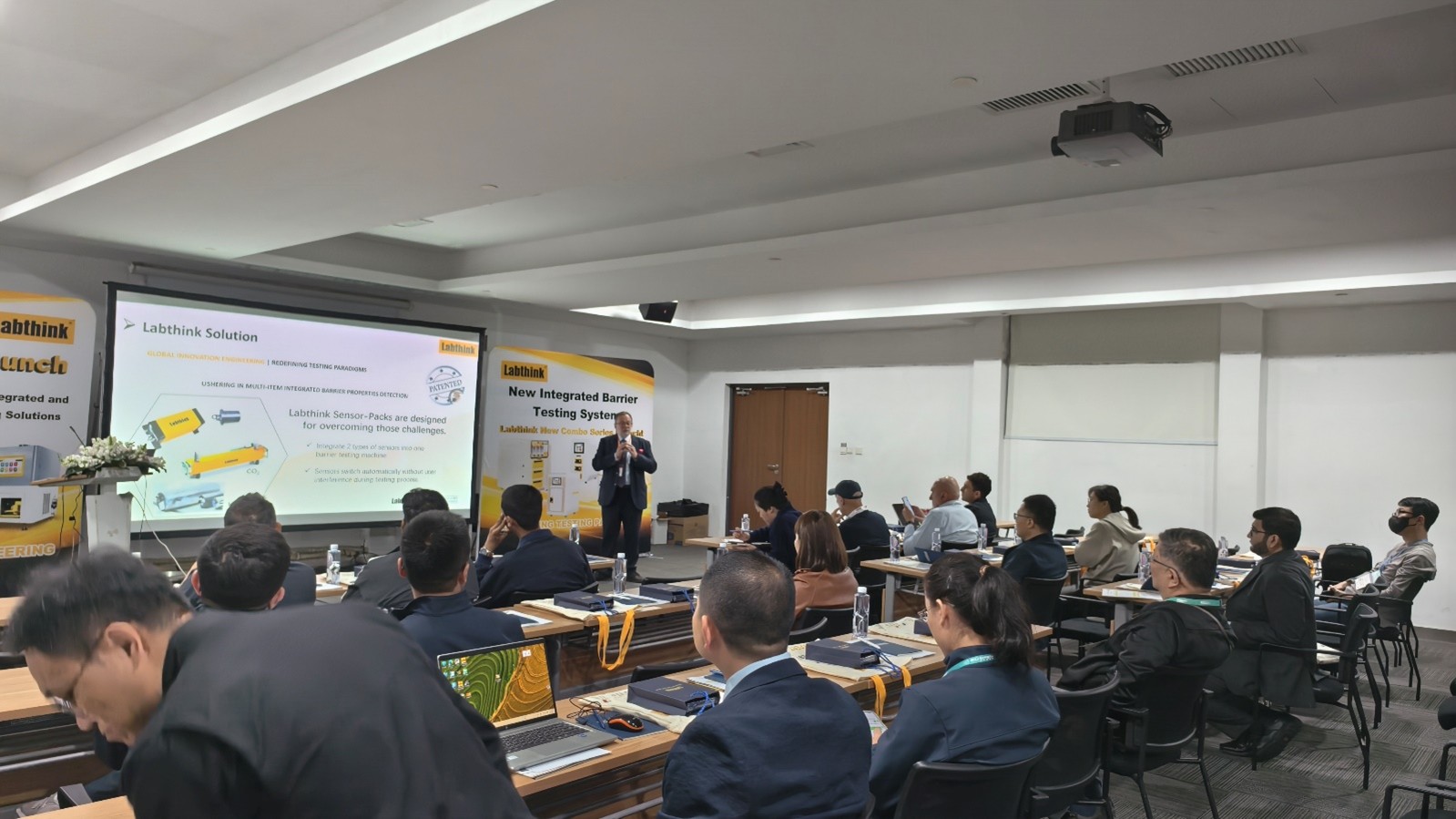
As leading provider of packaging testing solutions, Labthink made remarkable appearance again, presenting the advanced testing technologies and tailored solutions to global industry elites. On-site exchanges have connected Labthink with packaging manufacturers, testing institutions and industry professionals worldwide, enabling indepth discussions on industry pain points, quality control standards and innovative development trends of modern packaging testing. Labthink’s exhibited solutions cover core testing demands for food, pharmaceutical, daily chemical and flexible packaging industries, featuring high accuracy,intelligence and efficiency. These innovative technologies effectively help enterprises optimize product quality, improve production efficiency and meet increasingly stringent global packaging safety and environmental standards,drawing wide attention and high recognition from on-site visitors. | ||
 |  |  |
Labthink sincerely invites all industry partners and professionals to explore cutting-edge packaging testing technologies and seek mutually beneficial cooperation opportunities for future industrial development. | ||
| ||
What can affect the barrier test results? ● Influencing factors1. Material property of the test specimen * Specimen integrity: Damage during transportation and storage, folding or kneading marks * Thickness uniformity: Film production process, Sampling site/batch is different * Coating uniformity: Coating Technology/Base material * Material stability: External environmental influence(temperature/humidity/flow) /processing technology. 2. Test directions of the specimen :Test where the gas penetrates from and to 3. Test Conditions:Temperature/Humidity/Velocity 4. Stop Conditions & Testing Time: Proportional Mode/ Cycle Mode/ Manual Mode 5. Calibration: Calibration frequency 6. Laboratory configuration: Temperature & humidity control/ Gas source/ Altitude/ Power Voltage 7. Operation: Proficiency of operators/ operating habits ● Conclusion While there are many influencing factors, a standardized approach to data comparison can help ensure consistency and reliability in test results. 1. A 10% deviation in microscopic testing is quite normal; the deviation of high barrier test results will be in 10%-30%. 2. Comparison of single test results is not representative. Data comparison is the comparison and analysis of multiple groups of data. 3. Standardized data comparison service is professional data comparison: Smithers PIRA Lab Data Comparison / Lathink Round Robin Test  | ||
| ||
| ||
Labthink Hot May
May 27,2026